Property Recovery When Damage Strikes
Restoration in Duson for homes affected by water intrusion, fire and smoke damage, or active mold contamination
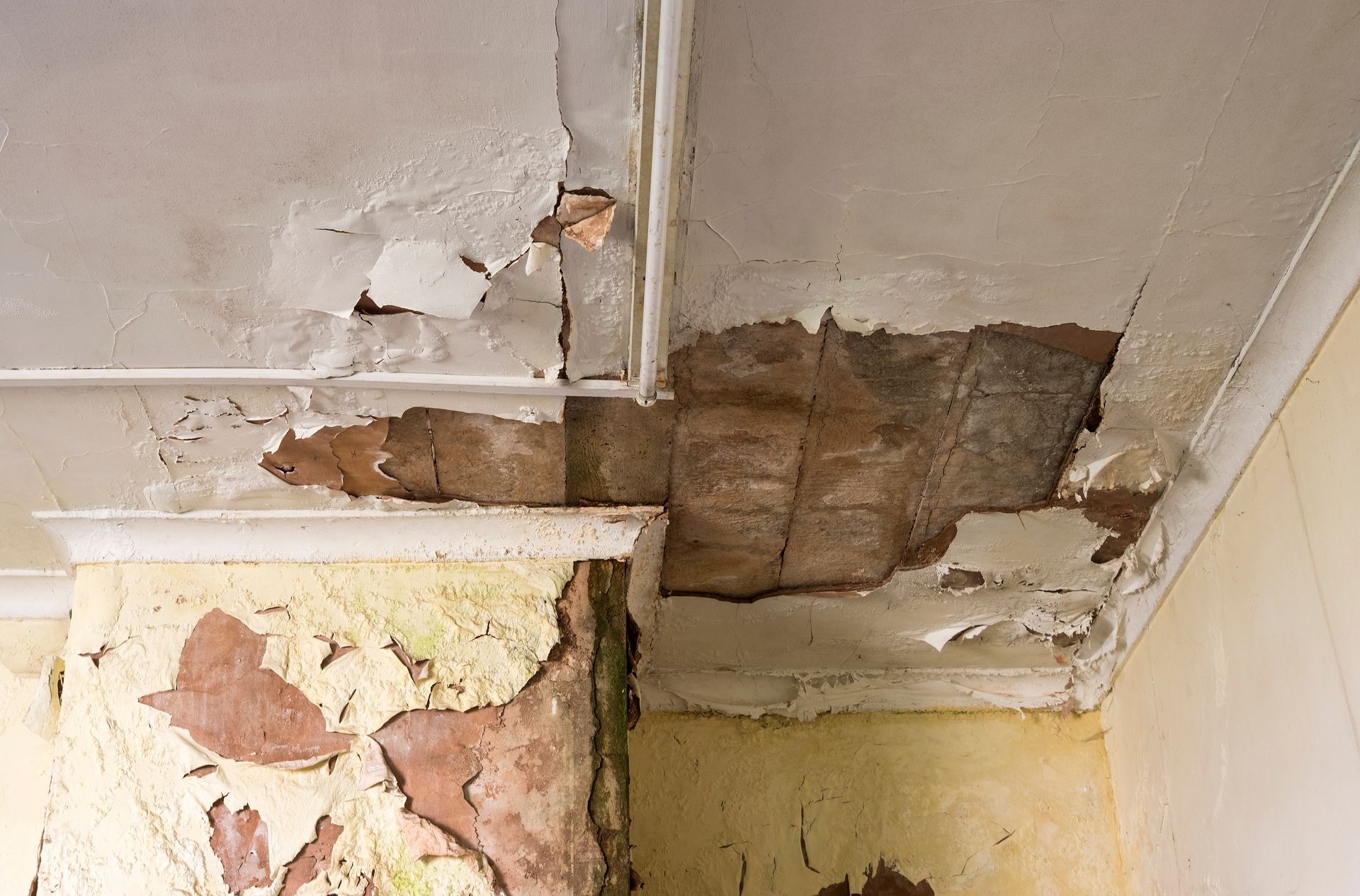
Water pooling under flooring warps subflooring and promotes microbial growth within 48 hours, smoke residue permeates porous surfaces and produces persistent odors, and mold colonies spread through HVAC systems once spores establish in damp building cavities. Floors N More responds to these conditions with water damage restoration and extraction, fire and smoke damage repair, and mold remediation and testing throughout Duson and the Acadiana region. The restoration process uses professional equipment and proven methods to return properties to safe, functional condition after damage occurs.
Restoration begins with damage assessment to determine extraction needs, contamination levels, and structural impact before work proceeds. Water extraction uses truck-mounted pumps and portable units to remove standing water, followed by dehumidification equipment that brings humidity levels down to prevent secondary damage. Fire restoration involves soot removal using specialized cleaners, odor neutralization with hydroxyl generators or ozone treatment, and reconstruction of damaged structural elements and finishes.
Call for immediate assistance if you're facing active water intrusion, recent fire damage, or suspected mold growth.
What Restoration Actually Accomplishes
Effective restoration removes contaminated materials that can't be salvaged, dries structural components to manufacturer-specified moisture content levels, and rebuilds affected areas using materials resistant to future moisture problems. Mold remediation involves containment barriers with negative air pressure to prevent spore spread, HEPA filtration during removal, antimicrobial treatment of affected surfaces, and post-remediation testing to verify clearance levels. The process follows industry protocols for safety and thoroughness rather than simply covering visible damage.
Once restoration completes, you'll notice elimination of musty odors, floors that no longer feel spongy or uneven, walls without visible water stains or discoloration, and air quality that doesn't trigger respiratory irritation. Restoration work addresses both visible damage and hidden issues like wet insulation or compromised structural framing that would cause problems if left untreated.
The restoration service includes working with insurance adjusters to document damage and coordinate claims, but coverage depends on policy terms and damage cause. Some situations require temporary relocation if contamination affects large portions of the home, and restoration timelines extend when structural drying takes longer than initial projections due to material thickness or humidity conditions.
Common Questions About This Service
Restoration situations create stress and uncertainty about what happens next and how long recovery takes.
What equipment gets used during water extraction?
Truck-mounted extractors remove bulk water from flooring and carpets, while portable dehumidifiers and air movers run continuously for several days to pull moisture from building materials. Moisture meters track drying progress in walls, floors, and ceilings until readings reach acceptable levels.
How does fire damage restoration differ from water damage work?
Fire restoration addresses both physical damage from flames and pervasive smoke odor that penetrates drywall, insulation, and ductwork. Restoration includes structural repairs, surface cleaning with chemical agents designed for soot removal, and odor treatment that may require sealing porous materials or replacing heavily affected components.
When does mold require professional remediation versus simple cleaning?
Surface mold on non-porous materials like tile can often be cleaned, but mold on drywall, insulation, or wood framing requires removal because it grows into the material structure. Professional remediation becomes necessary when mold covers large areas, affects HVAC systems, or appears after water damage that saturated building cavities.
What restoration challenges are specific to Acadiana's climate?
High humidity in Duson slows structural drying and increases the risk of secondary mold growth if extraction doesn't happen quickly. Restoration equipment must run longer to achieve proper drying levels compared to drier climates, and moisture barriers become more critical during reconstruction to prevent future problems.
What happens during the damage assessment?
The property gets inspected to identify all affected areas, including hidden damage behind walls or under flooring. Moisture mapping determines the extent of water intrusion, thermal imaging reveals temperature differences that indicate wet insulation, and air quality testing documents contamination levels when mold is suspected.
Floors N More handles restoration projects with reliable service and clear communication during difficult circumstances. Call to arrange an assessment and discuss the restoration process based on your specific damage situation.