Indoor Environments Cleared of Active Growth
Mold Remediation & Testing in Duson for homes showing visible growth, musty odors, or recent water damage
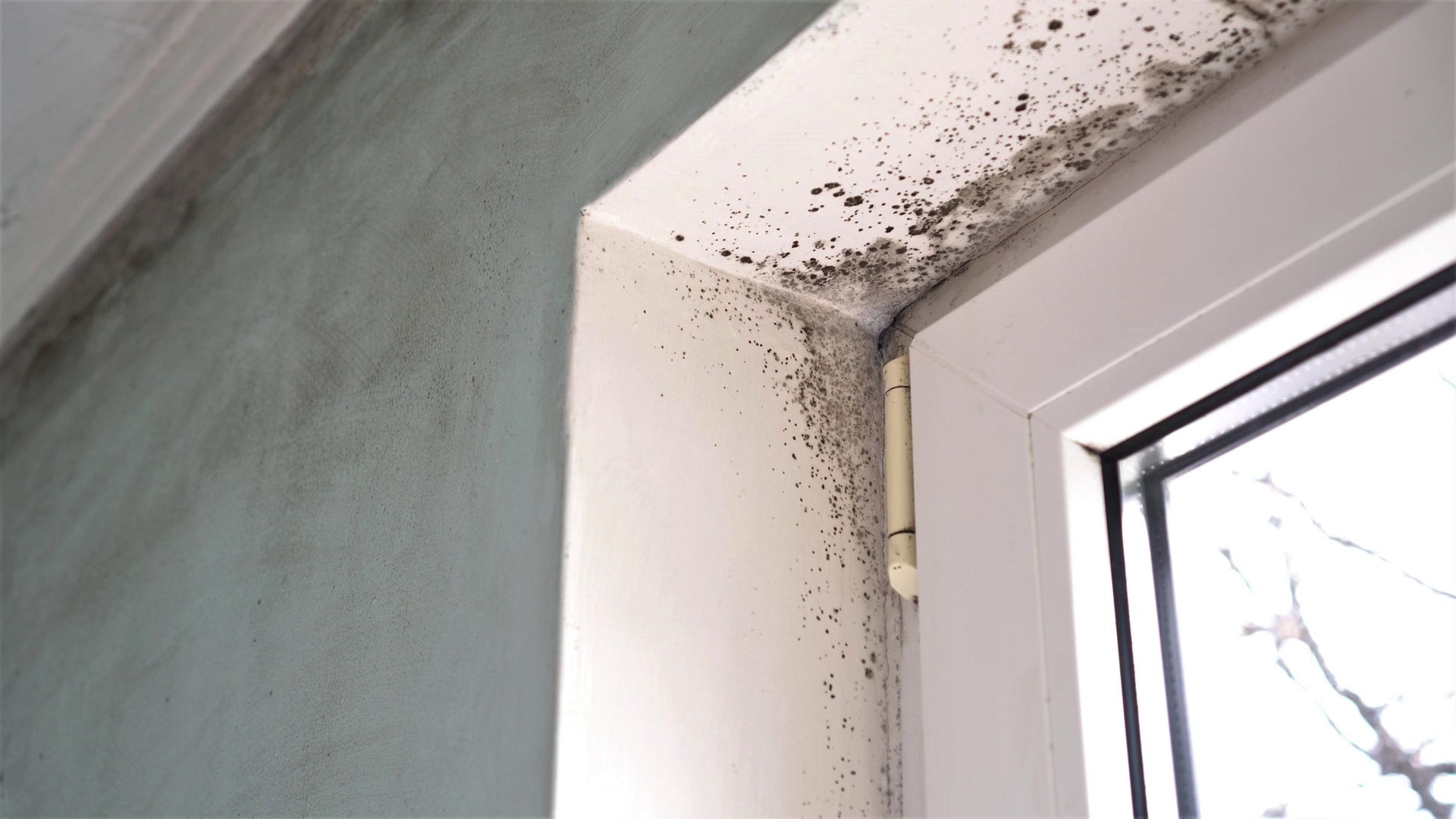
Mold develops when moisture remains present long enough for spores to establish colonies, and South Louisiana's humidity creates conditions where even minor water intrusion can lead to growth within 48 hours. The problem starts in one area but spreads as spores become airborne, settling on new surfaces wherever moisture and organic material meet. Floors N More delivers Mold Remediation & Testing to identify growth at its source, remove affected materials, treat surfaces to prevent recurrence, and verify through testing that the indoor environment has returned to safe spore levels.
Testing determines where mold is active versus where surface discoloration might be inert staining, while remediation involves containment to prevent spore spread during removal, physical elimination of contaminated materials, treatment of structural surfaces that can be salvaged, and air filtration to capture particles released during the process. Properties affected by past flooding, slow roof leaks, or chronic condensation problems require attention to the moisture source before remediation can prevent future growth.
Arrange an inspection to identify active mold growth and determine the remediation approach appropriate for your property conditions.
How Mold Removal Prevents Recurrence
Proper remediation addresses not just visible growth but the conditions that allowed it to develop—moisture sources must be corrected, affected materials must be dried or removed, and surfaces must be treated to resist future colonization. The process involves setting up containment barriers to isolate work areas, using HEPA filtration to prevent spore dispersal into unaffected rooms, removing porous materials like drywall and insulation where mold has penetrated beyond surface level, and applying antimicrobial treatments to structural components that remain in place. Testing before and after remediation confirms that spore counts have dropped to normal background levels rather than simply masking visible growth.
After remediation is complete, you'll notice that musty odors no longer intensify when humidity rises, discoloration stops spreading to adjacent areas, and respiratory irritation that worsened indoors begins to subside. The work creates conditions where new growth cannot easily establish itself, provided moisture intrusion has been corrected at the source—whether that means fixing a leak, improving ventilation, or addressing condensation problems.
The extent of remediation depends on how long moisture was present, what materials were affected, and whether growth spread through ventilation systems or remained localized. Some projects require only surface treatment and removal of limited drywall sections, while others involve stripping rooms to structural framing when prolonged water exposure allowed deep penetration.
Common Questions About Mold Remediation
Homeowners dealing with mold growth often have questions about what testing reveals and what the removal process actually involves.
What does mold testing identify that visual inspection cannot?
Testing determines spore types present, quantifies airborne concentrations to assess health risk, identifies hidden growth inside wall cavities or above ceilings, and provides baseline data to verify that remediation successfully reduced spore levels to acceptable ranges.
How is mold remediation different from simply cleaning visible growth?
Remediation involves removing contaminated materials rather than cleaning surfaces, treating structural components with antimicrobial solutions, controlling airborne spores during removal, and addressing the moisture problem that caused growth rather than just eliminating what's currently visible.
Why does humidity in Duson make mold prevention more difficult?
Ambient humidity levels frequently exceed the 60 percent threshold where mold can develop on damp surfaces, meaning even minor water intrusion creates ideal conditions for rapid colonization before materials fully dry, particularly during summer months when air conditioning condensation adds to moisture loads.
When should I test for mold even if I don't see visible growth?
Testing makes sense after water damage events, when musty odors persist without an obvious source, when respiratory symptoms improve away from the property, or when purchasing a home with a history of flooding or plumbing problems.
What happens if moisture problems aren't fixed before remediation?
Mold will simply return to the same areas because the environmental conditions that supported initial growth remain present, making moisture correction the essential first step before any remediation work begins.
Floors N More serves homeowners across the Acadiana region with mold remediation and testing services that address both current growth and the conditions allowing it to develop. Request a detailed assessment to determine the scope of contamination and develop a remediation plan specific to your property's moisture challenges.